
new
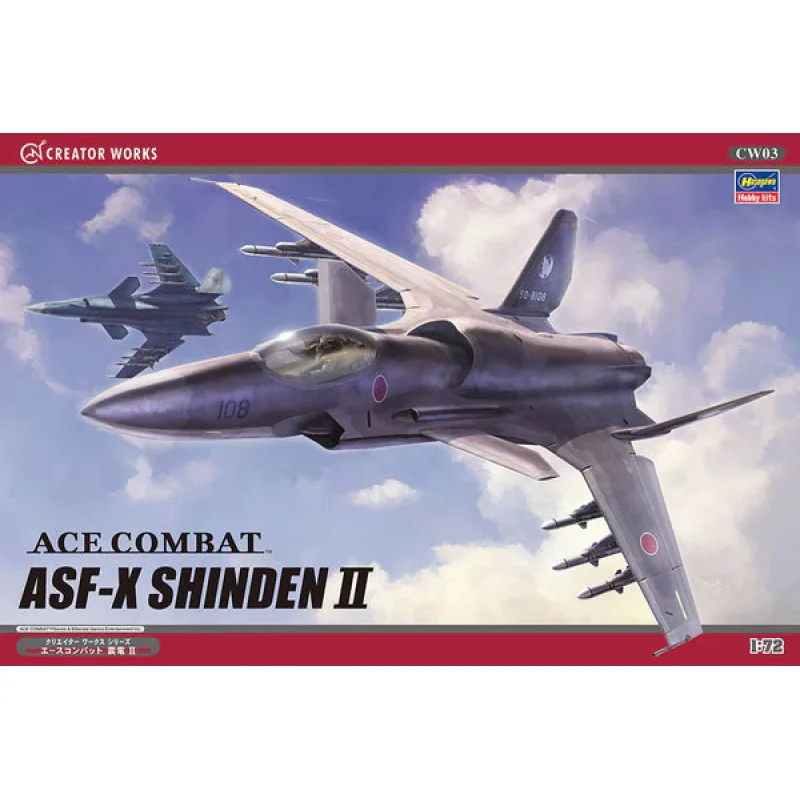

AIRFIX Models A04070 1/72 De Havilland Mosquito B.XVI/B.35/TT.35Model Aircraft KitThis remarkable 1:72 scale model kit of the de Havilland Mosquito B.XVI/B.35/TT.35 is composed of 182 parts, including 21 newly crafted elements, providing a wide array of bu
This remarkable 1:72 scale model kit of the de Havilland Mosquito B.XVI/B.35/TT.35 is composed of 182 parts, including 21 newly crafted elements, providing a wide array of building options to depict the aircraft's shifting roles from the latter part of World War 2 into the post-war period. The kit includes both open and closed bulged bomb bay doors, a formidable 4000lb "Cookie" bomb, intricate bomb bay interior components, and target towing winch details. It also offers marking options for three unique schemes, featuring the vibrant TT.35 target towing variant "TA719" that has been preserved.
Starting in 1944, the de Havilland Mosquito B.XVI was introduced to frontline units. This model was an evolution of the earlier B.IX, featuring a newly integrated pressurised cabin for high-altitude operations.
Though unarmed, the B.XVI was capable of carrying a 3,000lb bomb load. Soon after production began, modifications allowed it to internally carry a 4,000lb 'Cookie' or blockbuster bomb, known for its immense destructive power.
The combination of these formidable weapons with the renowned speed and precision of Mosquito missions enabled Bomber Command to maintain pressure on the enemy during the final stages of WWII.
By the time of its first test flight on 12 March 1945, the final bomber version, the B.35, was in advanced development. Although the war ended before the B.35 saw service, it had a long operational life with the post-war RAF, serving until early 1954.
With the introduction of the RAF's new jet-powered replacement, the English Electric Canberra, in May 1951, the Mosquito B.35 was moved from frontline duties, with many B.35s converted for secondary roles as target tugs.
These conversions, carried out by Brooklands Aviation Ltd in Northamptonshire, were designated TT.35s. They remained in service with Civilian Anti Aircraft Cooperation Units (CAACU) until the last unit was retired in May 1963. The TT.35's target-towing system featured a wind-driven ML Type G winch with 6,000ft of non-twisting steel cable towing a fabric target drogue.
FEATURES:
Add a review
Your email address will not be published. Required fields are marked